Monday, March 14, 2016

How Continuous Casting Process Made Steel Even Better

For centuries, steel has proven to be invaluable in construction, infrastructure, transportation, to name a few. And throughout the years, the processes of manufacturing steel have substantially evolved from crude methods to the current technologically advanced ones; now, steel is produced efficiently and effectively.

The continuous casting process, to put it simply, forms or casts a continuous sheet of the metal. This method commences when the molten metal, in this case, the steel, is poured into a receptacle called the tundish. The tundish ensures the purity and uniformity of the metal by removing the slags and impurities from the melt and precisely transferring the molten steel into the mold just below it.

Image source: bearing-news.com
While the metal casting is moving quickly into and through the mold, it is shielded from oxygen and other gases. The casting will then solidify from the part by the mold wall inward; this process is sped up by water cooling. The long metal strand produced is moved and smoothened by use of different kind of rollers. The sheet is then cut off to create the necessary steel length.

Image source: backgroundimages.eu
The steel manufactured by this process is more durable, contains more tensile strength, and is less brittle compared to the steel that was used in the past. Additionally, the continuous casting operations occur simultaneously, making the production even faster and increasing output. Steel, up until now, is a prime source of construction materials, and because innovation never stops, it is better than ever.

Chris Keehner heads the DS Pipe & Steel Supply LLC, a leading supplier of pipe and steel materials. To know more about him and the company’s services, visit this website.

Monday, February 15, 2016

Steel Paint Priming: A Good Foundation

Many people question the function of the paint primer. Why not just add another layer of paint? It does the same job, anyway? Multiple paint coatings can cause damage that is not always immediately visible. Here are reasons using a primer is ideal for wrapping a steel surface:

A primer is formulated to make sure that paint will properly stick on a given surface (wooden, steel, etc.). Primers create beautiful and long-lasting finishes.

 Image source: valsparpaint.com

Not all metals require painting and priming. But if they do need it, the metallic surface should be exposed in moisture before priming. Oxidation (or rusting) sets in the moment water comes in contact with bare metal. Priming before painting will prevent this—even if the metal is exposed to rain water and moist air. To go against rusting, metal primers contain zinc or other anti-corrosion agents.

If the surface is already filled with rust, it is best to thoroughly clean the surface first before putting a layer of primer. There are also primers that convert rust to solid metal salts.

Primers also achieve the desired color. It can also have matte or glossy finishes, depending on the chosen type.

Image source: polsteel.co.uk

 Have a good foundation for your steel, and use a paint primer to create good-looking metallic pieces.  
Chris Keehner is the president of DS Pipe & Steel Supply LLC, based in Maryland. Visit this Google+ page for news about the steel industry.

Wednesday, January 6, 2016

Scrap: Satisfying the Relentless Appetite for Steel

The most in-demand metal in the world is, naturally, the most readily recycled. The steel industry accounts for among the largest consumers of scrap metal and continues to derive much of its material from pre-existing scrap recovered from junkyards.

http://www.steel.org/~/media/Images/AISI/BannerImages/sustainability_recycling_banner.jpg
Image source: steel.org


Steel has a number of unique metallurgic properties that allow it to be melted and repurposed into a variety of forms without any degradation to its quality. Overall, it is generally cheaper to produce more steel from scrap than to smelt iron and process it into steel.

The greatest effect that recycling has in promoting sustainability is in how it reduces the steel industry's dependence on mining (and its associated pollution and environmental degradation) to satisfy demand. It also takes a lot less energy to melt ferrous metals like steel to be recast, thus greatly cutting back on atmospheric pollution emissions.

Due to the durability of steel, its products take quite a long time to fall out of circulation before they can finally be recovered for scrap. Thus, most steel mills still require the continued mining of raw iron to satisfy the demands of metal. However, over 88 percent of all steel used is eventually recycled, allowing the industry to cut back on their reliance on destructive mining.

In addition, steel recycling is spurring the recycling efforts in other related industries that are connected with the substance, such as automotives and appliances. This increases the volume of materials recycled overall and the efficiency of recycling efforts.

http://www.recycle-steel.org/~/media/Images/AISI/SRI/Banner%20Images/hotslab.jpg
Image source: recycle-steel.org


Sean and Chris Keehner helm DS Pipe & Steel Supply LLC, a leading provider of piping and steel construction materials in Maryland and surrounding states. Visit this website for more on the company and its range of products.

Wednesday, December 23, 2015

Steel: Still the Best Material for Buildings

Steel is a widely used construction material with a variety of applications. Having gained popularity in the 20th century, steel has been a major component of commercial building construction, bringing to life some of the world’s strongest and tallest buildings.

https://upload.wikimedia.org/wikipedia/commons/6/66/Inland_Steel_Building_2007_05_21.jpg
Image source: www.wikipedia.org
Today, modern steel is made with combinations of alloy. Despite the emergence of new building materials, steel remains the most used material to fulfill many purposes.

The following are the reasons steel is still the best material for building and construction:

Strength. Having the highest strength-to-weight ratio of any construction material, steel is still preferred by builders in the commercial industry and developers of multifamily construction.

Durability and flexibility. Steel does not easily warp, buckle, twist or bend, which makes it easy to modify and design for specifications. Steel is also easy to install. Its strength and ductility, combined with solid engineering and design, make it a safe choice in seismic zones.

Eco-friendly. A "green" product, steel is structurally sound and manufactured to under strict specifications and tolerances. It is also energy efficient and excess material is 100 percentrecyclable. Steel is one of the world's most recycled materials, with a recycling rate of over 60 percent globally.  

Cost. Buildings made of steel have been widely accepted due to cost efficiency. Compared to other materials, steel is not prone to price fluctuations.

With improved in its production, malleability for end products, and design capabilities, steel, undoubtedly, remains the go-to material for building and construction.

http://i.ebayimg.com/images/i/181902191539-0-1/s-l1000.jpg
Image source: www.ebay.com
Chris Keehner is the president of DS Pipe & Steel Supply LLC, a leading distributor of structural steel in Maryland. Follow this Google+ page for news and updates about steel production and application.

Sunday, November 15, 2015

Sub-zero Temperatures: Protecting Your Pipes From Winter Bursts

Winter poses a serious risk to pipe systems, whether in the home, at the office, or in industrial sites. Extremely low temperatures cause the pipes to freeze and sometimes even burst. To ensure that water flows freely through the pipes this winter, the following care tips may be followed:  

Good insulation is key.

The loft and the sides of water tanks must be properly insulated to prevent pipes from bursting. This can be done by wrapping them up in lagging (a foam-like insulating material that can be bought at almost all hardware stores).

Image source: enkivillage.com
Artificially controlling the temperature.

 Many modern boilers or vessels have a built-in thermostat that automatically turns on a frost-protection feature once the temperature drops to a certain level. Additionally, it is a good idea to open the loft trap door and any sink cupboards on cold days, so that heat would come in freely.

Image source: suburbanplumbingexperts.com
Proper maintenance will save plenty of bucks.

Checking for leaks, corrosion, valve disruptions, and similar issues are best done on a regular basis. Regardless of the time of the year, a well-maintained pipe system is sure to withstand any trouble, including the harsh elements.  

Consulting with experts.

While it is very okay to work around DIY strategies, it would still be best to seek an expert’s advice to be fully protected. A contractor, for example, can check on the roof to see if it would sustain the weight of heavy snowfall.

Chris Keehner is a respected business expert in the pipes and steel industry. He is the current president of DS Pipe & Steel Supply LLC. Know more about the company by visiting its official website.

Wednesday, September 30, 2015

Increased Corrosion Resistance and Other Advantages of Hot-dip Galvanization

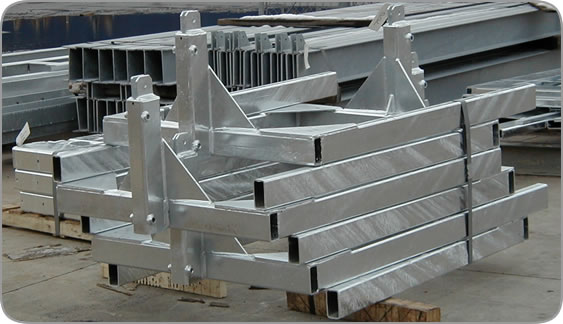
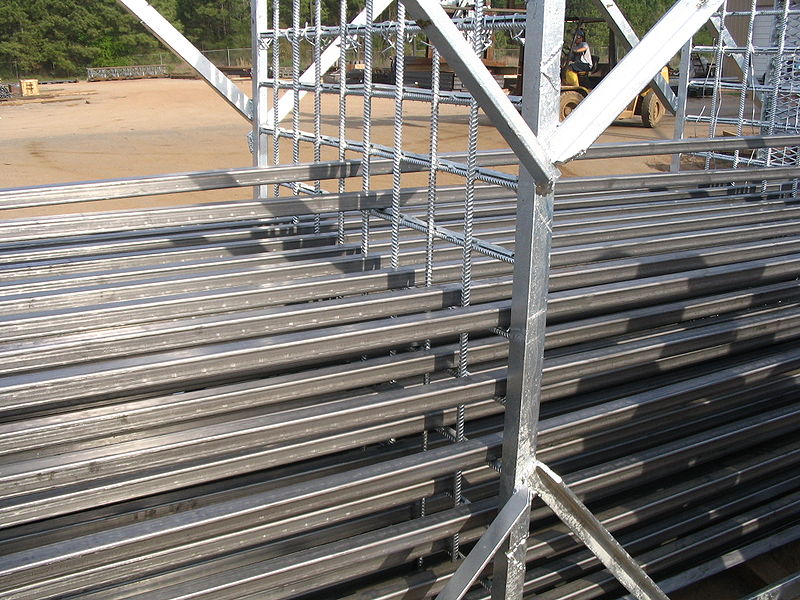
Hot-dip galvanization, a process in which steel is coated in zinc, was developed primarily to prevent the alloy from corroding. Steel is dipped into a bath of molten zinc and is then removed left to cool in a quench tank. When the cooling process is complete, the zinc coating is then metallurgically bonded to the steel. Hot-dip galvanizing is carried out for many purposes other than protecting steel from corrosion. These include: 

        Image source: dspipeandsteel.com

1. Longer life, lower maintenance. Galvanization renders the surface of the steel friendlier for cleaning, resulting in a maintenance-free life of up to five decades, depending on the environment where the steel is employed. When maintenance becomes necessary, the process will be straightforward, doing away with complex preparation treatments. 

2. Quick coating process. A full protection coating can be applied in just a few hours, whereas a complicated paint system would require at least a week. 

3. High-strength metal product. Because the coating is bonded metallurgically to the steel, galvanized steel has by far the greatest resistance to mechanical damage during handling, storage, transport, and construction. This is an extremely important quality for industries that heavily rely on steelwork (such as shipbuilding). 

4. Acceleration of construction time. Galvanized steel is a finished product in itself, which means that it only requires little preparation for various applications. No painting, touch up, or inspection required. 

Image source: wikimedia.org

Chris Keehner is the president of DS Pipe & Steel Supply LLC, a supplier of more than 120 different industrial product lines with primary focus on steel, pipes, weld fittings, groove fittings, and ball valves. For inquiries, visit this website.

Tuesday, September 1, 2015

Steel or plastic? The best materials for your piping needs

Old pipe systems in homes, office buildings, and industrial establishments have originally only used galvanized steel or cast iron. Today, however, the variety of materials used in fluid conveyances has been considerably wide. These include the following:

Steel. Steel pipes are strong and readily available, but last for only about 50 years. They can get eroded over time and may require replacement rather than repair when something gets broken.

Image source: nytimes.com


Copper. Copper pipe is very resistant to corrosion, so it is commonly used in water supply lines. It costs more than plastic but lasts much longer.

ABS. Acrylonitrile-butadiene-styrene or ABS is a plastic material first used in residential plumbing in the 1970s. It is usually colored black and is very affordable.

PVC. Polyvinyl-chloride or PVC is a white or cream-colored pipe most commonly used in drain lines. It is very strong, does not easily react with chemicals, and could last for a long time. The rating and diameter is stamped right on the pipe.

Image source: wikipedia.org


PEX. Cross-linked polyethylene or PEX is the newest kind of pipe for residential use. Approved in most states, it can be easily installed, is flexible, and uses compression fittings. However, more permanent connections require a special crimping tool. As for its price, PEX is three to four times more expensive than copper or plastic.  
  
Chris Keehner is the president of DS Pipe & Steel Supply LLC, an independent, family-owned, full-line stocking distributor of structural steel, pipes, valves, fittings, and piping specialties. For more about his company’s services, click here.