Wednesday, December 23, 2015

Steel: Still the Best Material for Buildings

Steel is a widely used construction material with a variety of applications. Having gained popularity in the 20th century, steel has been a major component of commercial building construction, bringing to life some of the world’s strongest and tallest buildings.

https://upload.wikimedia.org/wikipedia/commons/6/66/Inland_Steel_Building_2007_05_21.jpg
Image source: www.wikipedia.org
Today, modern steel is made with combinations of alloy. Despite the emergence of new building materials, steel remains the most used material to fulfill many purposes.

The following are the reasons steel is still the best material for building and construction:

Strength. Having the highest strength-to-weight ratio of any construction material, steel is still preferred by builders in the commercial industry and developers of multifamily construction.

Durability and flexibility. Steel does not easily warp, buckle, twist or bend, which makes it easy to modify and design for specifications. Steel is also easy to install. Its strength and ductility, combined with solid engineering and design, make it a safe choice in seismic zones.

Eco-friendly. A "green" product, steel is structurally sound and manufactured to under strict specifications and tolerances. It is also energy efficient and excess material is 100 percentrecyclable. Steel is one of the world's most recycled materials, with a recycling rate of over 60 percent globally.  

Cost. Buildings made of steel have been widely accepted due to cost efficiency. Compared to other materials, steel is not prone to price fluctuations.

With improved in its production, malleability for end products, and design capabilities, steel, undoubtedly, remains the go-to material for building and construction.

http://i.ebayimg.com/images/i/181902191539-0-1/s-l1000.jpg
Image source: www.ebay.com
Chris Keehner is the president of DS Pipe & Steel Supply LLC, a leading distributor of structural steel in Maryland. Follow this Google+ page for news and updates about steel production and application.

Sunday, November 15, 2015

Sub-zero Temperatures: Protecting Your Pipes From Winter Bursts

Winter poses a serious risk to pipe systems, whether in the home, at the office, or in industrial sites. Extremely low temperatures cause the pipes to freeze and sometimes even burst. To ensure that water flows freely through the pipes this winter, the following care tips may be followed:  

Good insulation is key.

The loft and the sides of water tanks must be properly insulated to prevent pipes from bursting. This can be done by wrapping them up in lagging (a foam-like insulating material that can be bought at almost all hardware stores).

Image source: enkivillage.com
Artificially controlling the temperature.

 Many modern boilers or vessels have a built-in thermostat that automatically turns on a frost-protection feature once the temperature drops to a certain level. Additionally, it is a good idea to open the loft trap door and any sink cupboards on cold days, so that heat would come in freely.

Image source: suburbanplumbingexperts.com
Proper maintenance will save plenty of bucks.

Checking for leaks, corrosion, valve disruptions, and similar issues are best done on a regular basis. Regardless of the time of the year, a well-maintained pipe system is sure to withstand any trouble, including the harsh elements.  

Consulting with experts.

While it is very okay to work around DIY strategies, it would still be best to seek an expert’s advice to be fully protected. A contractor, for example, can check on the roof to see if it would sustain the weight of heavy snowfall.

Chris Keehner is a respected business expert in the pipes and steel industry. He is the current president of DS Pipe & Steel Supply LLC. Know more about the company by visiting its official website.

Wednesday, September 30, 2015

Increased Corrosion Resistance and Other Advantages of Hot-dip Galvanization

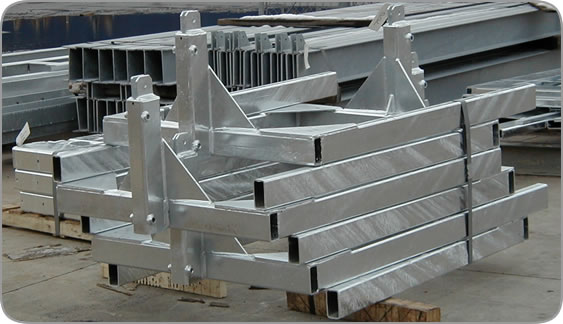
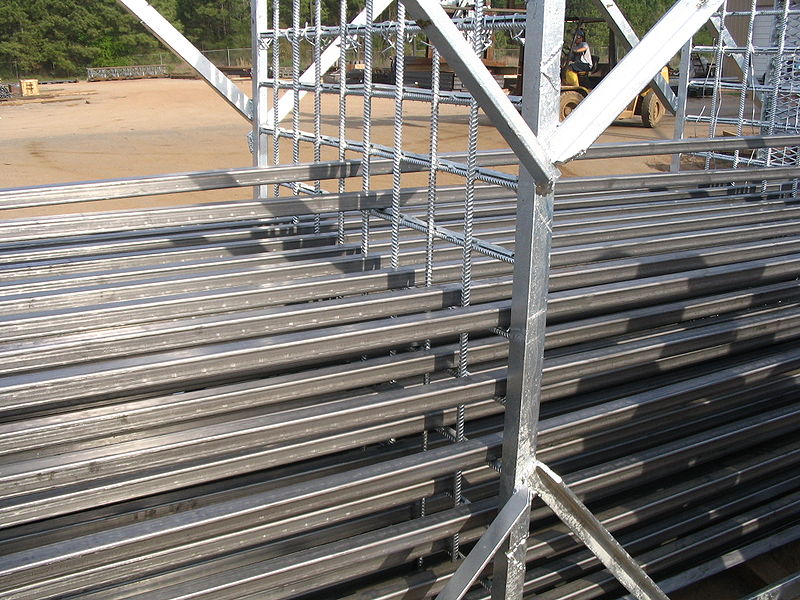
Hot-dip galvanization, a process in which steel is coated in zinc, was developed primarily to prevent the alloy from corroding. Steel is dipped into a bath of molten zinc and is then removed left to cool in a quench tank. When the cooling process is complete, the zinc coating is then metallurgically bonded to the steel. Hot-dip galvanizing is carried out for many purposes other than protecting steel from corrosion. These include: 

        Image source: dspipeandsteel.com

1. Longer life, lower maintenance. Galvanization renders the surface of the steel friendlier for cleaning, resulting in a maintenance-free life of up to five decades, depending on the environment where the steel is employed. When maintenance becomes necessary, the process will be straightforward, doing away with complex preparation treatments. 

2. Quick coating process. A full protection coating can be applied in just a few hours, whereas a complicated paint system would require at least a week. 

3. High-strength metal product. Because the coating is bonded metallurgically to the steel, galvanized steel has by far the greatest resistance to mechanical damage during handling, storage, transport, and construction. This is an extremely important quality for industries that heavily rely on steelwork (such as shipbuilding). 

4. Acceleration of construction time. Galvanized steel is a finished product in itself, which means that it only requires little preparation for various applications. No painting, touch up, or inspection required. 

Image source: wikimedia.org

Chris Keehner is the president of DS Pipe & Steel Supply LLC, a supplier of more than 120 different industrial product lines with primary focus on steel, pipes, weld fittings, groove fittings, and ball valves. For inquiries, visit this website.

Tuesday, September 1, 2015

Steel or plastic? The best materials for your piping needs

Old pipe systems in homes, office buildings, and industrial establishments have originally only used galvanized steel or cast iron. Today, however, the variety of materials used in fluid conveyances has been considerably wide. These include the following:

Steel. Steel pipes are strong and readily available, but last for only about 50 years. They can get eroded over time and may require replacement rather than repair when something gets broken.

Image source: nytimes.com


Copper. Copper pipe is very resistant to corrosion, so it is commonly used in water supply lines. It costs more than plastic but lasts much longer.

ABS. Acrylonitrile-butadiene-styrene or ABS is a plastic material first used in residential plumbing in the 1970s. It is usually colored black and is very affordable.

PVC. Polyvinyl-chloride or PVC is a white or cream-colored pipe most commonly used in drain lines. It is very strong, does not easily react with chemicals, and could last for a long time. The rating and diameter is stamped right on the pipe.

Image source: wikipedia.org


PEX. Cross-linked polyethylene or PEX is the newest kind of pipe for residential use. Approved in most states, it can be easily installed, is flexible, and uses compression fittings. However, more permanent connections require a special crimping tool. As for its price, PEX is three to four times more expensive than copper or plastic.  
  
Chris Keehner is the president of DS Pipe & Steel Supply LLC, an independent, family-owned, full-line stocking distributor of structural steel, pipes, valves, fittings, and piping specialties. For more about his company’s services, click here.

Tuesday, July 21, 2015

India Rises as 3rd Largest Steel Producing Country

India is the fourth largest steel producer in the world. However, for the first five months of 2015, India jumped to the third spot after China and Japan, respectively, outranking the U.S., which placed fourth.

While large-scale steel plants contribute to the bulk of India’s steel products, the steel re-rolling sector is an equally important player. Moreover, the steel industry is doing well with a growth of more than 8 percent for the 2014-2015 period per Union Minister of Steel and Mines Narendra Singh Tomar.

Image sourceritambanerjee.com

The steel industry in India is already massive with approximately 750 players but is currently being expanded by sourcing new technology and markets thus giving access to much needed long-term economic profit. India’s steel and iron industry is also anticipating mergers and acquisitions in the long run.

Large-scale companies are leading the initiative in research and development and infrastructure to set up good facilities and address problems in the energy efficiency and environmental impact. The Ministry of Steel empowers not only large-scale businesses but also small entrepreneurs to align business interests with environmental protection.

Image sourcethehindu.com

The determination, conviction and hard work of all the business owners and project stakeholders in the country’s steel industry have brought outstanding results.

This Chris Keehner Facebook page shares the latest news and updates on the steel and pipe industry.

Wednesday, June 17, 2015

Choosing Between a Copper or Steel Pipe for Your Home

Plumbing fittings are made from a variety of metals, the most common being copper or steel. Each metal has unique advantages, and homeowners are advised to have at least a basic knowledge of the pros and cons of each.

Steel

Image Source: stainlessteeldrums.net
Steel is often considered the most cost-effective among all the different types of pipes as it is one of the most durable metals in the market today, particularly for plumbing. In theory, steel fittings could last a lifetime and are relatively impervious to rust and corrosion. Extreme temperatures do not easily affect steel and the material can withstand large amounts of salt water washing. It is, therefore, an ideal choice for those living in environments surrounded by lots of water. However, steel is not an easy material to work with. It is hard and not malleable. If the steel pipe is to be used for plumbing, it has to be galvanized (which is an additional cost). Furthermore, galvanized steel could potentially introduce minute traces of lead into the water over time.


Copper

Copper is extremely resistant to fire. Since copper fittings do not burn, no toxic gases are released in an event of fire. This material is also highly resistant to bacteria and rot, making it the choice metal for pipes used for drinking purposes. Additionally, copper is a softer metal and is easier to work with. This makes installation and more specified fitting (for more unconventional interior designs, for example) easier. Nevertheless, this makes copper plumbing more expensive than steel. It must also be noted that while copper is resistant to fire, it does not perform so well against extreme cold.

Image Source: Wikimedia.org


In practice, most homeowners are encouraged to use different sets of piping depending on what they will be used for.

Learn the best plumbing practices for your home by liking this Chris Keehner Facebook page.

Thursday, May 14, 2015

REPOST: Steel producers help Europe stocks end higher


After spending much of the morning in negative territory, the pan-European Stoxx 600 index closed around 0.6 percent higher, according to the new regulation from the European Union. This article has the details.

European equities finished higher on Thursday, as new regulation from the European Union helped the continent's steel producers post strong gains.

The pan-European Stoxx 600 index closed around 0.6 percent higher, after spending much of the morning in negative territory. Germany's DAX rallied to close provisionally 2 percent higher, French stocks saw gains of around 1.5 percent at market close, while London's FTSE 100 finished around 0.4 percent higher.


Image Source: cnbc.com


Finland's Outokumpu was at the top of benchmarks, with a rise of 6.7 percent and Arcelormittal saw gains of 5 percent.

Both steel producers were buoyed by the European Union's decision to impose a duty on imports of electrical steel. The anti-dumping levy was implemented Thursday on imports from China, Japan, Russia, South Korea and the United States.
Meanwhile, markets were closed in Austria, Iceland, Finland, Latvia, Lithuania, Estonia, Denmark, Norway, Sweden and Switzerland due to public holidays.

In other individual stocks news, shares of Generali closed 3.8 percent higher after the Italian insurer reported a 6 percent rise in first quarter operating profit.

Meanwhile, shares of Eni closed around 1.5 percent higher on reports that the Italian oil and gas group was revisiting trimming its stake in Saipem after putting on hold the plan due to a slide in oil prices, Reuters reported, citing Il Sole 24 Ore.
On the FTSE, one of the best performers was Mondi, climbing 2.7 percent after Deutsche Bank and Credit Suisse raised the packaging company's share target price.

U.S. stocks traded higher on Thursday, bouncing from the prior day's muted trade, as investors eyed further dollar declines and calmer bond markets.The Dow Jones Industrial Average quickly added 120 points in the minutes following the open, with Apple leading all blue chips higher.

DS Pipe & Steel Supply LLC is a family-owned wholesale steel distributor. Like this Facebook page for more updates.